What 36x Superhost Actually Means (And What It Doesn’t)
If you’ve searched for “what is an Airbnb Superhost” or tried to understand the real Airbnb Superhost meaning and benefits, you’re not alone.
There’s a small badge that appears on certain short-term rental listings.
It says “Superhost.”
Guests notice it. New hosts chase it.
Some people assume it means you’ve cracked the code to passive income.
It doesn’t.
I’ve earned Superhost status 36 times. That doesn’t make me special. It means I operate with consistency.
And consistency is the part most people underestimate.
What Is the Airbnb Superhost Meaning?
The Airbnb Superhost meaning is a performance summary based on response rate, review average, cancellations, and completed stays. It reflects operational consistency — not guaranteed income or algorithm favoritism.
The Badge Everyone Sees
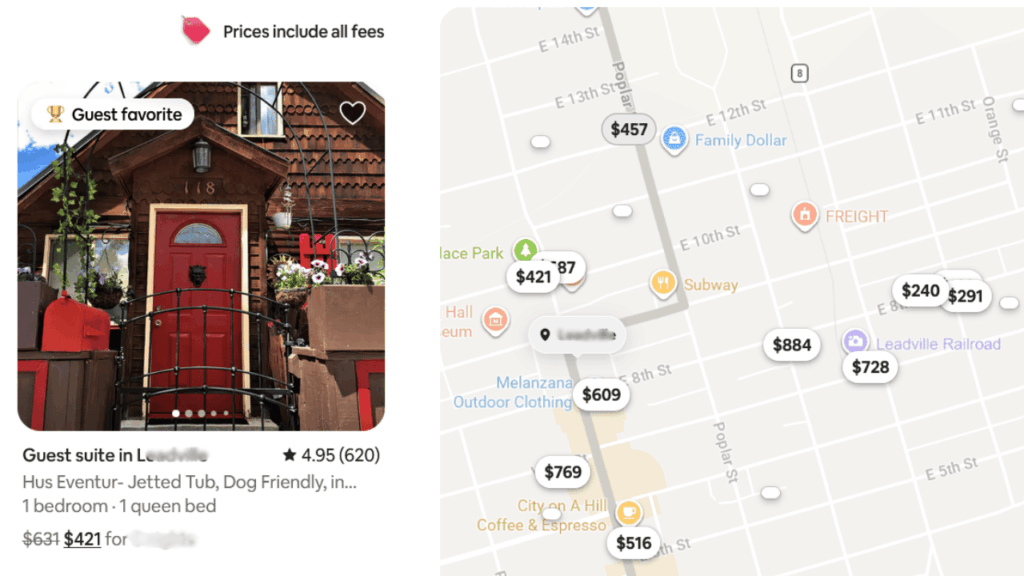
From the outside, Superhost status looks like proof of success.
Guests see the badge and assume reliability.
New hosts see it and assume advantage.
Some believe it means:
- Fully booked calendars
- Effortless income
- Platform favoritism
- A secret ranking boost
That’s the surface narrative.
The platform reinforces it subtly. The badge sits near the listing title. It signals credibility in a crowded marketplace.
But here’s the reality:
The badge is not a growth strategy.
It’s a performance summary.
It doesn’t make a listing strong.
It reflects patterns that were already in place.
When people search for the Airbnb Superhost meaning, they’re often looking for an edge.
What they’re really looking at is the outcome of operational discipline.
And operational discipline isn’t glamorous.
What the Badge Actually Signals
Here’s the part most people don’t like to hear.
Superhost status is not a reward.
It’s a scoreboard.
If you read the official Superhost requirements published by Airbnb, they’re not mysterious:
- Maintain a high response rate
- Keep your review average above a threshold
- Avoid host-initiated cancellations
- Complete a minimum number of stays
That’s it.
No hidden advantage.
No secret relationship with the platform.
No backdoor algorithm boost.
The Airbnb Superhost meaning isn’t prestige.
It’s compliance with performance standards over time.
And performance standards require structure.
You don’t maintain a high response rate because you’re “always on your phone.” You maintain it because your communication process is defined.
You don’t maintain review averages above 4.8 because you hope guests are generous. You maintain them because your turnover standards are documented and verified.
You don’t avoid cancellations because you’re lucky. You avoid them because your calendar, pricing rhythm, and booking criteria are intentional.
The badge is simply evidence that those systems are working.
Nothing more.
What It Does Not Protect You From

Here’s where the badge loses its mystique.
Superhost status does not insulate you from reality.
It does not protect you from:
- Weather-related events
- Regional demand shifts
- Platform policy changes
- Fee increases
- Economic tightening
It is not a shield.
It is not a guarantee.
It is not immunity.
In strong ski years, my properties in a high-altitude mountain market typically run near full occupancy for four straight months. Summer follows closely behind.
This year has been softer across the board. Occupancy has hovered closer to 75–80%.
The badge didn’t stop that.
What it did prevent was panic.
Operators without systems react emotionally to downturns. They slash prices too aggressively. They rewrite listings weekly. They blame guests. They blame algorithms.
Operators with systems adjust.
They review booking pace against prior years.
They assess competitive pricing rationally.
They maintain standards instead of lowering them.
They protect margin where possible.
Superhost status didn’t create that stability.
The systems did.
The badge simply reflects the fact that those systems have been running long enough to compound.
The Real Advantage Behind the Badge
By the time someone earns and maintains Superhost status repeatedly, something else has already been happening behind the scenes.
Not hustle.
Not luck.
Structure.
Behind consistent performance you’ll usually find:
- Communication templates that reduce friction before it starts
- Turnover standards that are verified, not assumed
- A pricing review rhythm that removes emotion from decision-making
- Maintenance tracking that catches small problems early
- Financial visibility that makes adjustments deliberate instead of reactive
Those systems compound.
Reviews compound.
Trust compounds.
Search visibility compounds.
Even a single property benefits from structure, which is why repeatable hosting systems matter from day one.
By the time someone notices the badge, the discipline has already been in place for months — often years.
When people search for how to become a Superhost, they’re usually looking for the checklist.
But the checklist is the outcome.
The systems are the cause.
Why Systems Outlast Platforms
Platforms change.
Policies shift.
Fees increase.
Algorithms adjust.
If your business is built around a badge, you’re exposed.
If your business is built around portable systems — communication, turnover, pricing cadence, maintenance logging, financial tracking — then the platform becomes a distribution channel.
Not the foundation.
The Airbnb Superhost meaning isn’t prestige.
It’s evidence.
Evidence that repeatable systems are running quietly in the background.
And those systems work whether the booking comes from Airbnb, VRBO, or a direct reservation.
Superhost status isn’t a strategy.
It’s a byproduct.
If you want consistent bookings — even when markets tighten — you don’t chase the badge.
You build the structure that makes the badge inevitable.
The five core systems behind consistent performance aren’t complicated — but they are deliberate. We’ll break those down next.
